Beginner Guide - Co-op Skills for Two Players
New to the We Were Here formula? This beginner guide drills the walkie-talkie habits, role setup and launch-night checklist that make We Were Here Tomorrow click from the first puzzle.
Quick Answer: What Should New Players Do First?
Set up both microphones before anything else, agree on a description style with your partner, and expect the first hour to feel chaotic — that is normal. The game teaches its own puzzles; the skill you bring is communication. Describe before you act, confirm before your partner commits, and narrate every change you see on your side.
The Description Loop: Your Real Loadout
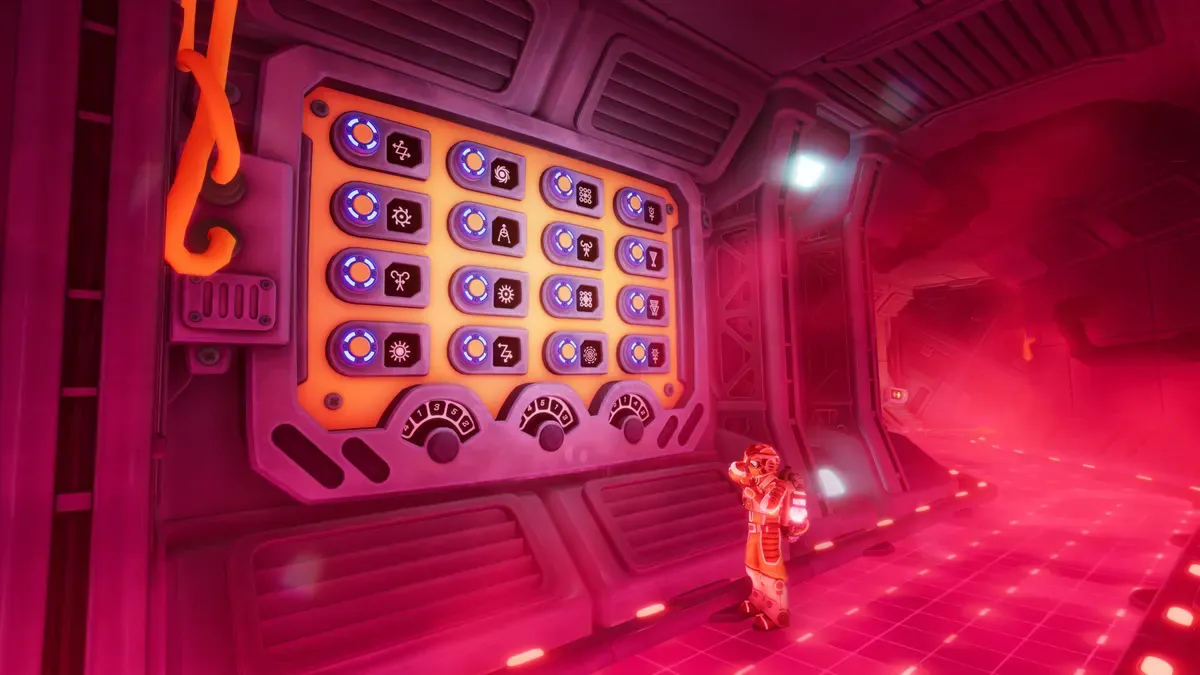
- Category first, details second: "four symbols in a row" beats "there's a triangle thing".
- Read exactly: colors, shapes, order, position — "second from the left" is a location, not a guess.
- Confirm before acting: repeat what your partner said before you pull the lever they described.
- Narrate state changes: "the door just opened here" tells your partner their step worked.
- No silent solving: thinking out loud is how your partner catches the detail you dismissed.
Set Roles, Not Arguments
Both players see different halves of every puzzle, but puzzles still benefit from a designated puzzle-driver — the player whose room holds the lock — while the other becomes the clue-reader. Neither role is superior, and Tomorrow's asymmetry will swap them constantly. What kills co-op flow is both players solving out loud at once: agree who reads and who acts for each room, then swap naturally.
The Pre-Launch Checklist
- Both players own the game on their platform (crossplay covers PC ↔ PS5 ↔ Xbox Series X|S).
- Microphones tested in the platform's own settings — not just in the game.
- 25 GB free on PC and the launch build downloaded before unlock night.
- A voice call channel ready as backup (Discord or platform party) in case in-game voice needs a fix.
What to Expect From the First Hour
The opening teaches the walkie-talkie loop in low-stakes rooms before the real asymmetry begins. New pairs typically fumble descriptions, talk over each other and still clear the opening — the difficulty curve assumes you are learning to communicate, not that you arrive fluent. When a puzzle stalls you, return to the loop: describe, confirm, act. Everything else is puzzle-specific and covered in our walkthrough pages once verified in the launch build.
Published October 19, 2026 · Last updated October 19, 2026